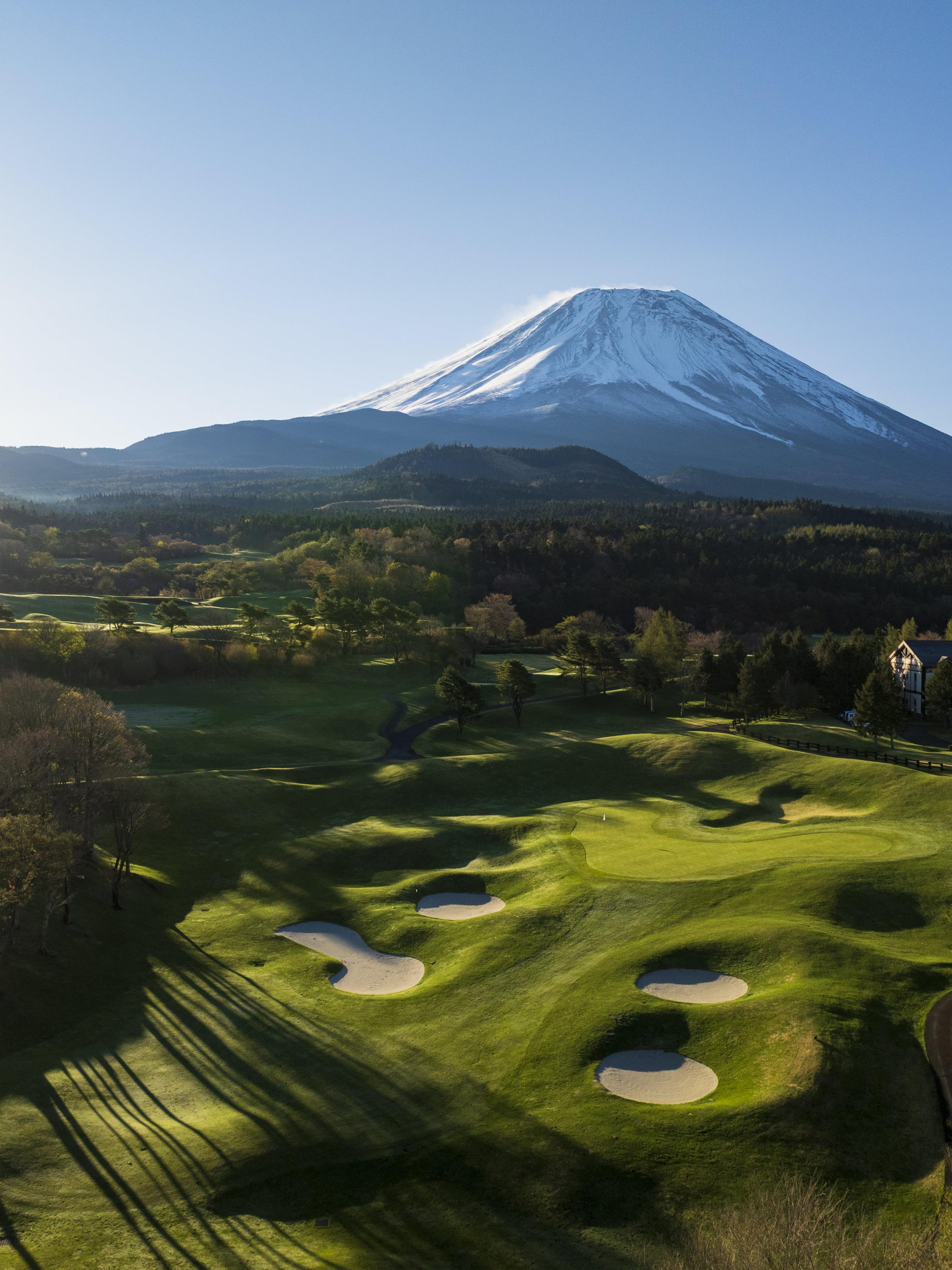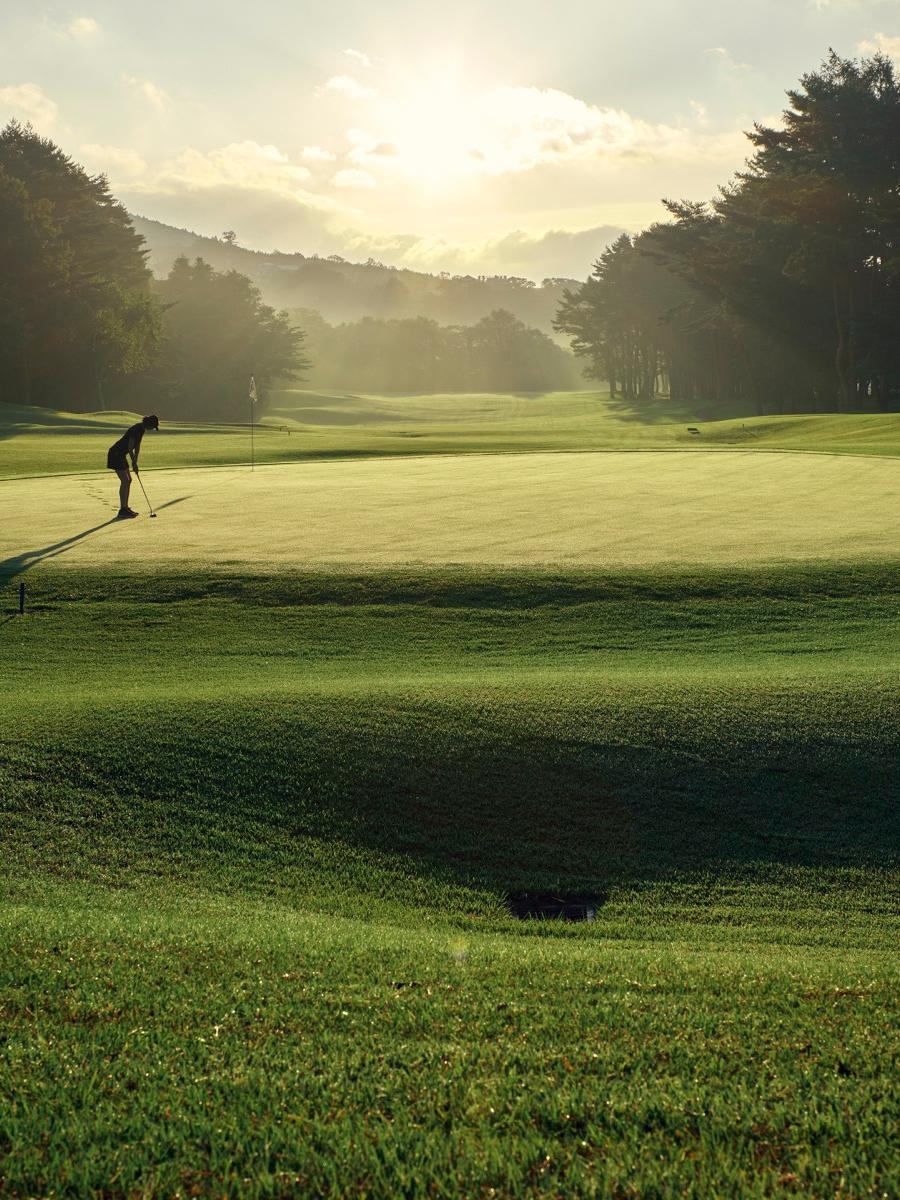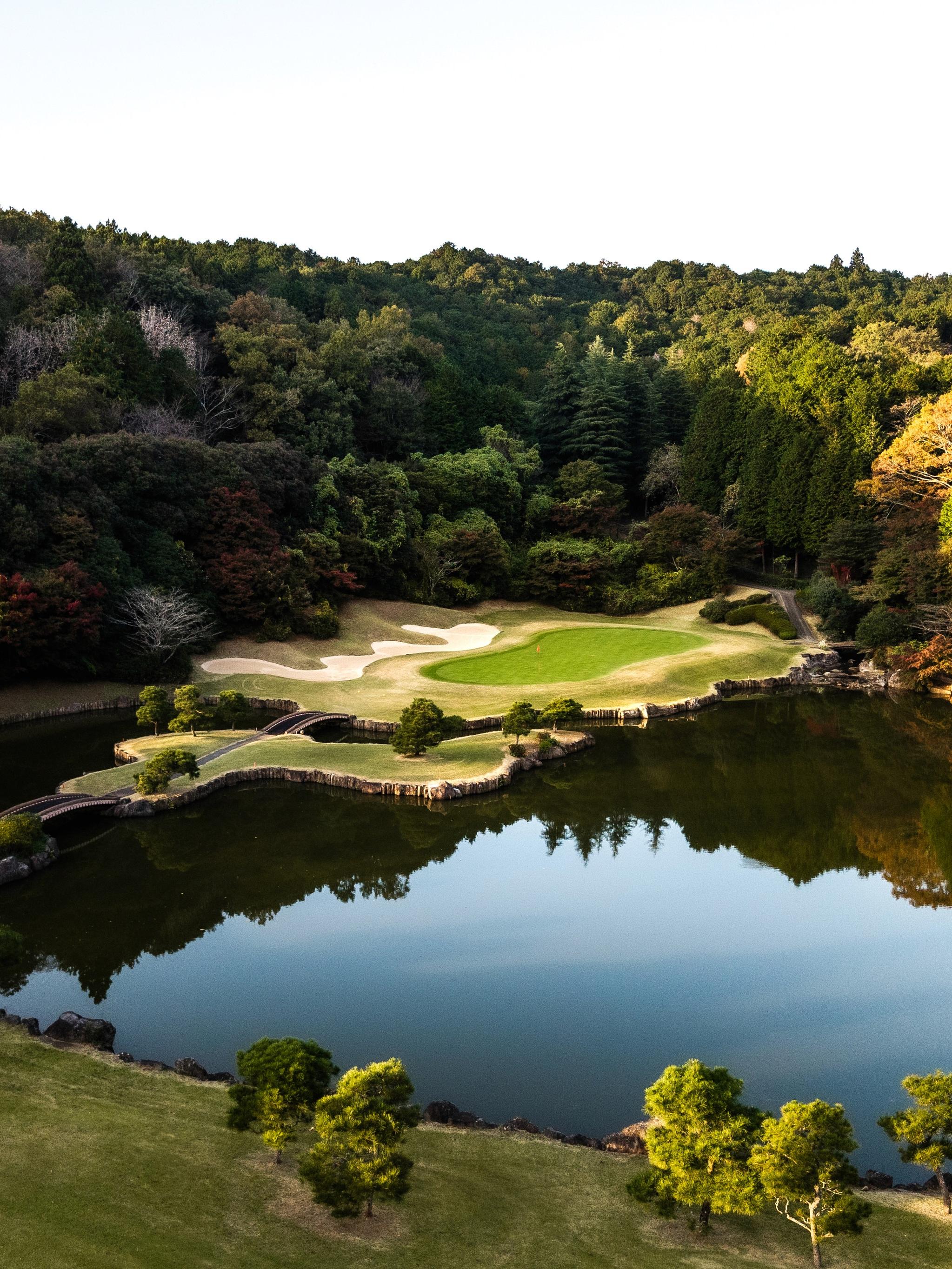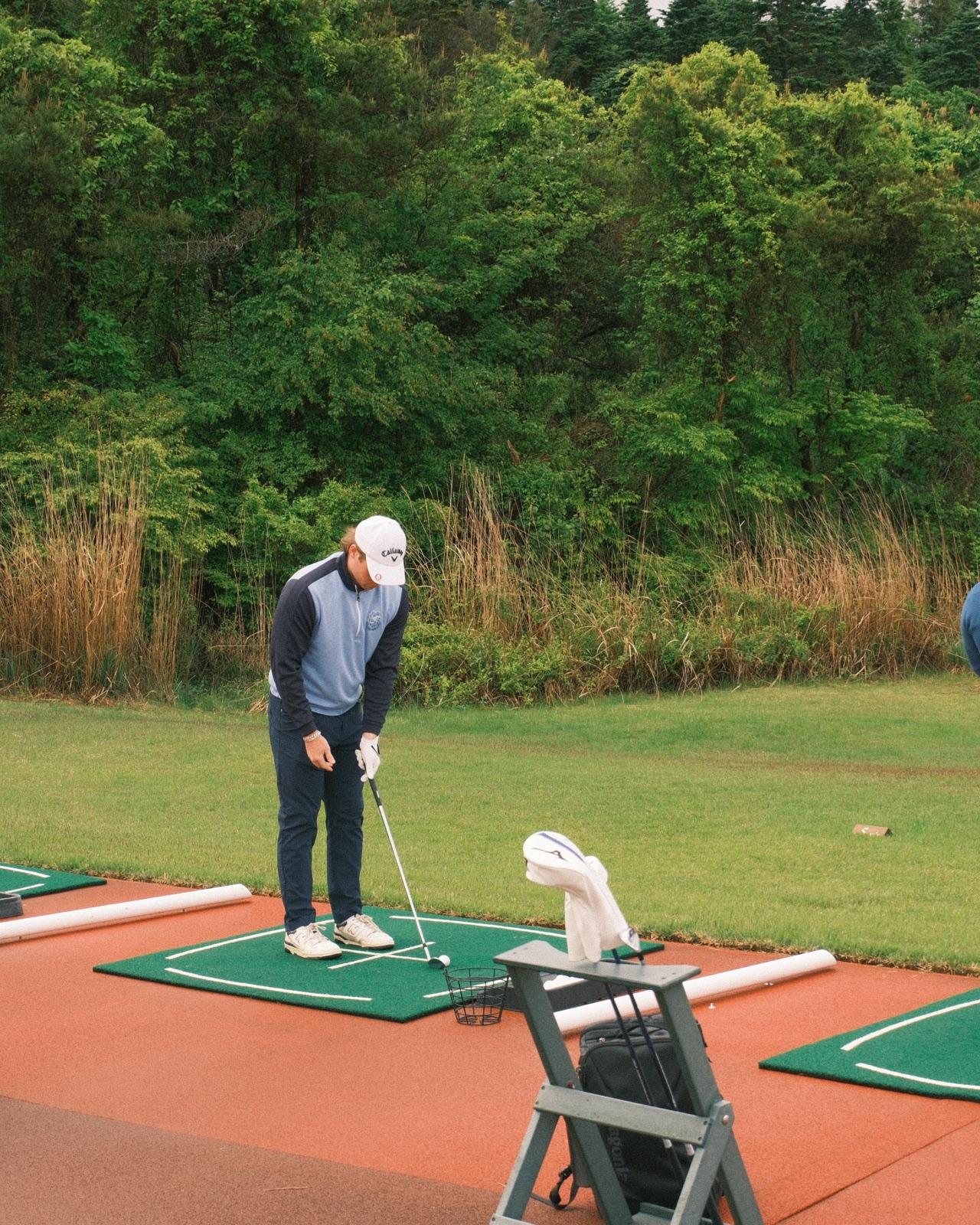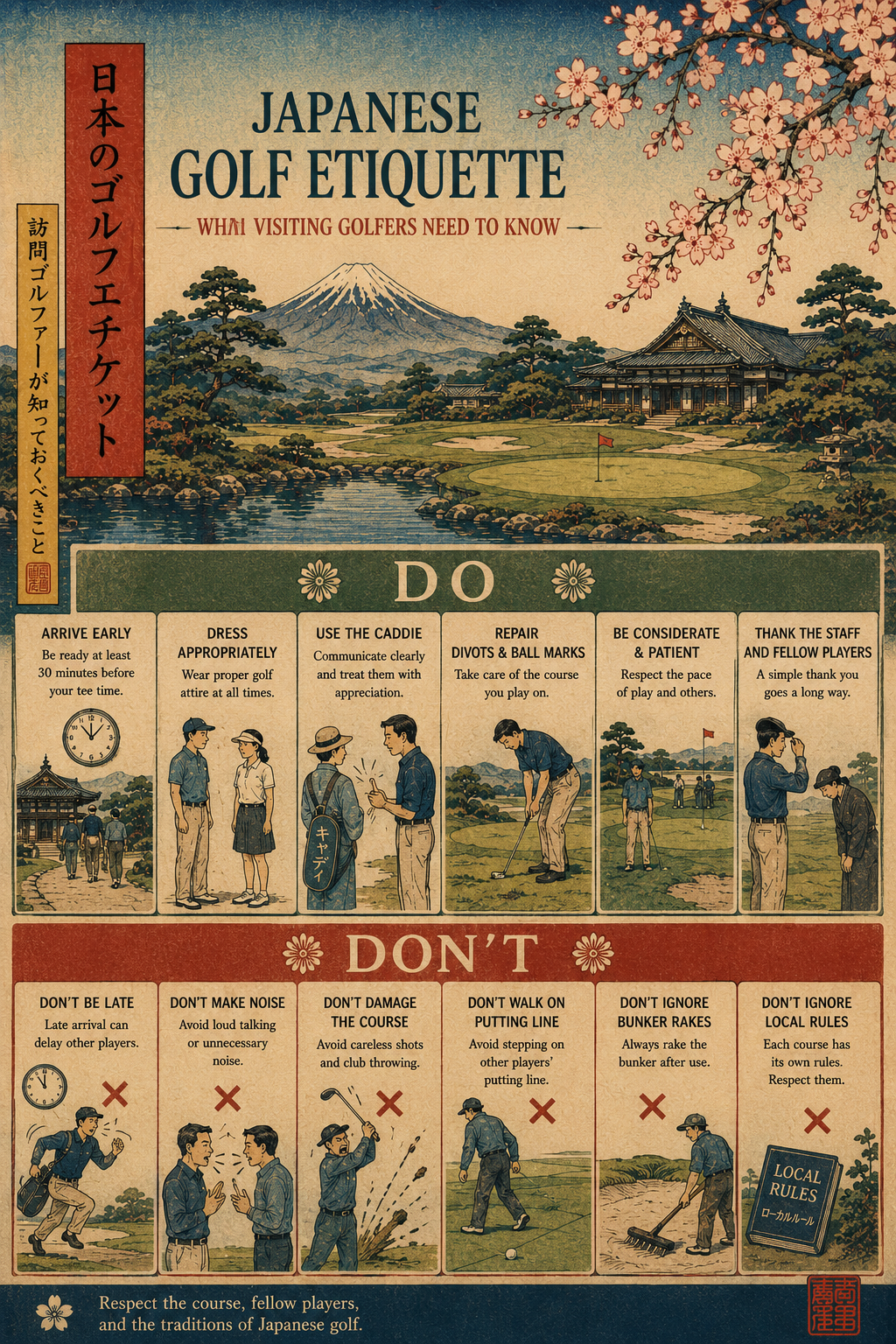
The unwritten rules of a Japanese golf day — arrival, the clubhouse ritual, pace of play, the lunch turn, the bath, and the small courtesies that mark a welcome guest.
Nothing about Japanese golf etiquette is difficult. Almost all of it is what a considerate golfer does anywhere — arrive early, keep pace, care for the course. What is different in Japan is how consistently it is observed, and how much a day at the club is treated as a shared ritual rather than a queue for the first tee. Visitors who understand the rhythm are welcomed warmly; this is the rhythm.
Before you arrive
Plan to be at the club at least 60 minutes before your tee time — 90 at a traditional club. The buffer is not padding; the Japanese golf day has stations: bag drop with the porter, check-in at the front desk, changing in the locker room, and ideally a few minutes on the range. Arriving with time to spare is itself read as a courtesy to your playing partners and the club.
Dress for the door, not just the course. A collared shirt is universal; slacks or tailored shorts, no denim anywhere on the property, and at old-line member clubs a jacket is still expected when you walk through the clubhouse entrance — worth confirming when the booking is made. Golf shoes go on in the locker room, never in the parking lot; soft spikes only.
On the course
Pace is the etiquette that matters most. Japanese courses run to a schedule — roughly two hours and fifteen minutes per nine — because the lunch turn depends on it: the kitchen is expecting your group at a time printed on the starting sheet. Play ready golf, keep up with the group ahead, and let the caddie or the cart's GPS guide the rhythm.
The care rituals are taken seriously: rake bunkers completely (smooth your footprints out backwards as you leave), repair pitch marks, replace divots, and keep carts on the path where signs mark it. Many clubs use remote-controlled carts that run on rails along the path — do not try to drive them onto the fairway. If a caddie is with your group, she manages clubs for all four players; hand her the club, don't toss it.
The lunch turn
At most traditional clubs the round pauses after nine for a proper sit-down lunch — 40 to 50 minutes in the clubhouse restaurant. It is part of the day, not an interruption: order promptly (katsu curry, soba and a draft beer are the classics), enjoy it, and be back at the tenth tee at the time on your card. Some modern and resort courses offer 'through play' with no lunch break, especially in the hotter months — if you prefer that, ask when booking.
After the round: the bath
The ofuro — the communal bath — is the closing act of Japanese golf. Shower and wash thoroughly at the seated stations before entering the tub; the bath itself is for soaking, not washing. Towels stay out of the water, phones stay in the locker, and tattoos are worth flagging in advance — policies vary, and some clubs will ask you to cover large ones. Skipping the bath is acceptable; trying it is recommended.
Money, tipping and the small stuff
There is no tipping in Japanese golf — not the caddie, not the porter, not the restaurant. Settle the whole day (green fee, lunch, pro-shop) in one bill at the front desk on the way out. Keep your voice down in the clubhouse, keep your phone off the course or on silent, and a small bow with an arigatō gozaimasu to the staff and caddie lands better than any gratuity.
If the logistics — the booking itself, the jacket question, the caddie's Japanese — are the part that gives you pause, that is exactly the gap PRESERVE's concierge covers: we brief every guest on the specific club's customs before the day. New to Japanese golf entirely? Start with our complete guide to golf in Japan, or join a hosted tour and let the host carry the etiquette for you.