Stays & Villas for a Golf Trip to Japan
35 places, curated by Preserve
The best nights of a Japan golf trip usually happen after the round — an onsen soak, a kaiseki dinner, futons on tatami. These are the ryokan, hotels and private villas we book for our own groups: places within striking distance of golf worth traveling for, where the stay is as memorable as the course. Villas suited to golf groups are joining this list as we vet them.
Featured
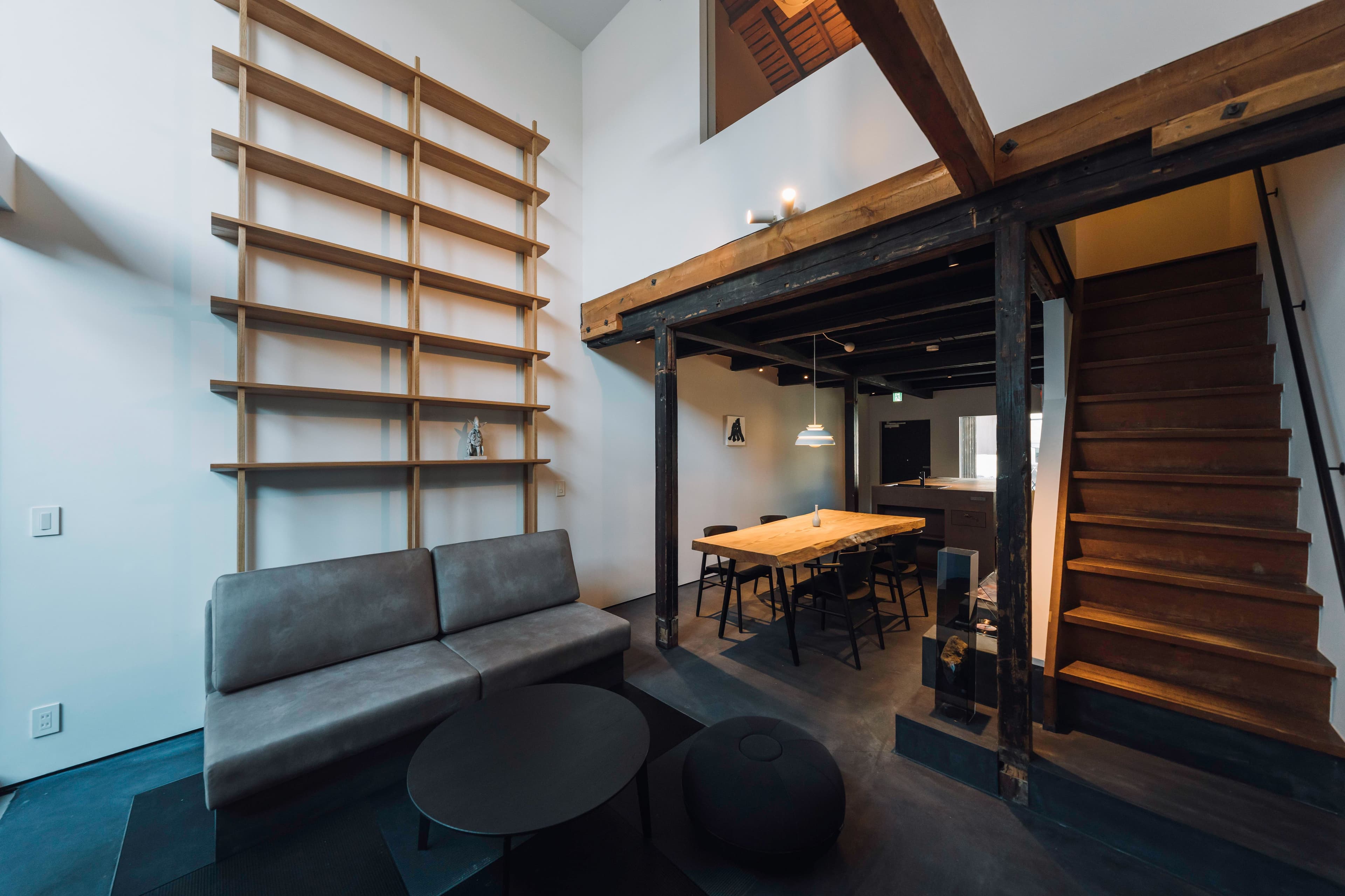
Private Kyoto machiya (private sauna)
A privately rented Kyoto townhouse near Nijo Castle with its own sauna — A Change of Air's design-led stay that pairs the warmth of a home with a refined, contemporary space.
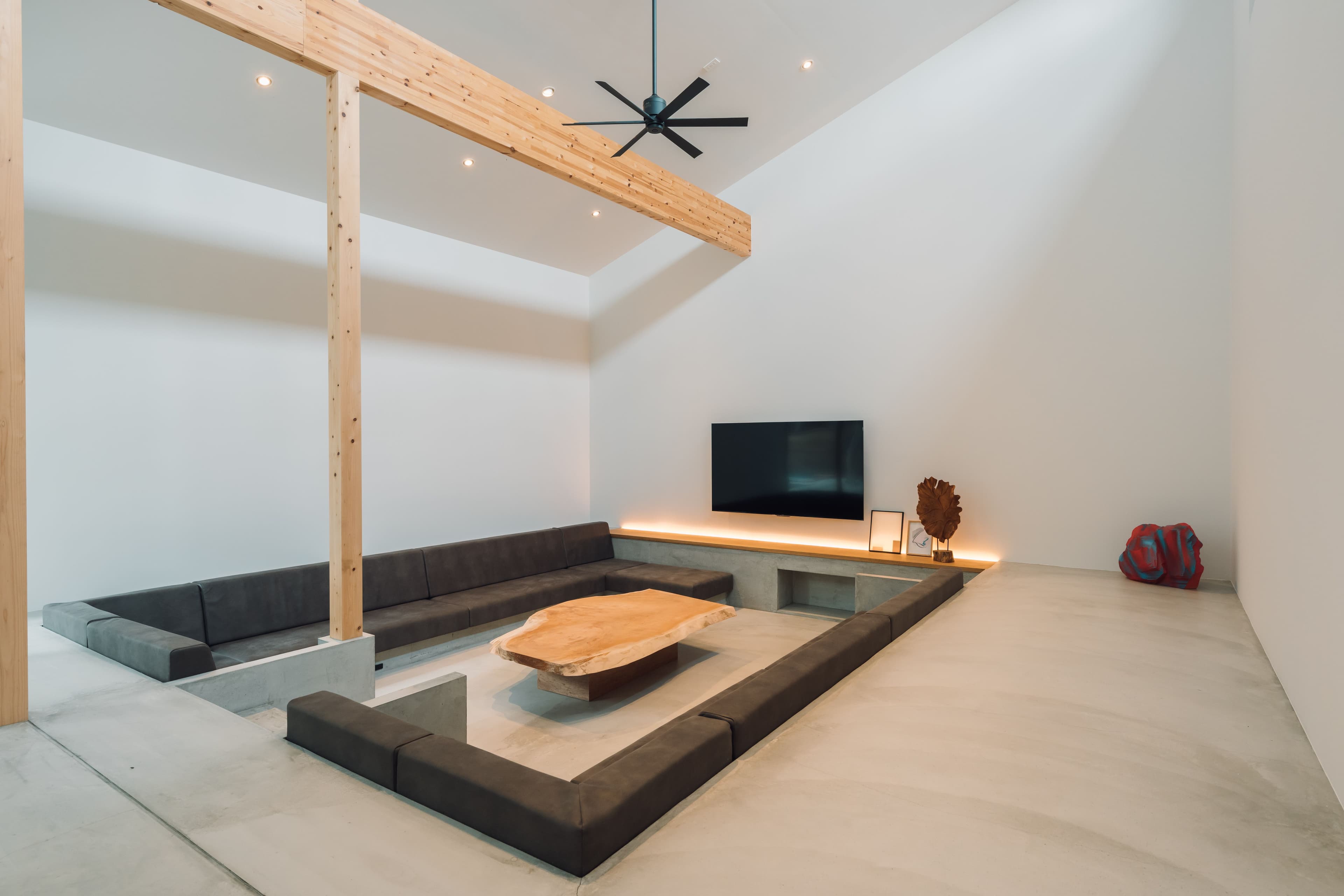
ACOA Villa Takashima
Takashima, ShigaPrivate lakeside villa (private sauna)
ACOA's lakeside villa on the quiet western shore of Lake Biwa — a 222㎡ concrete-and-wood house for up to eight, with a full kitchen, a private sauna and the lake a few steps away. Barely an hour from Kyoto, it's built for a group to take the whole place over: cook with what you find at the local markets, sweat it out in the sauna, then cool off with a swim off the shore.
Kansai
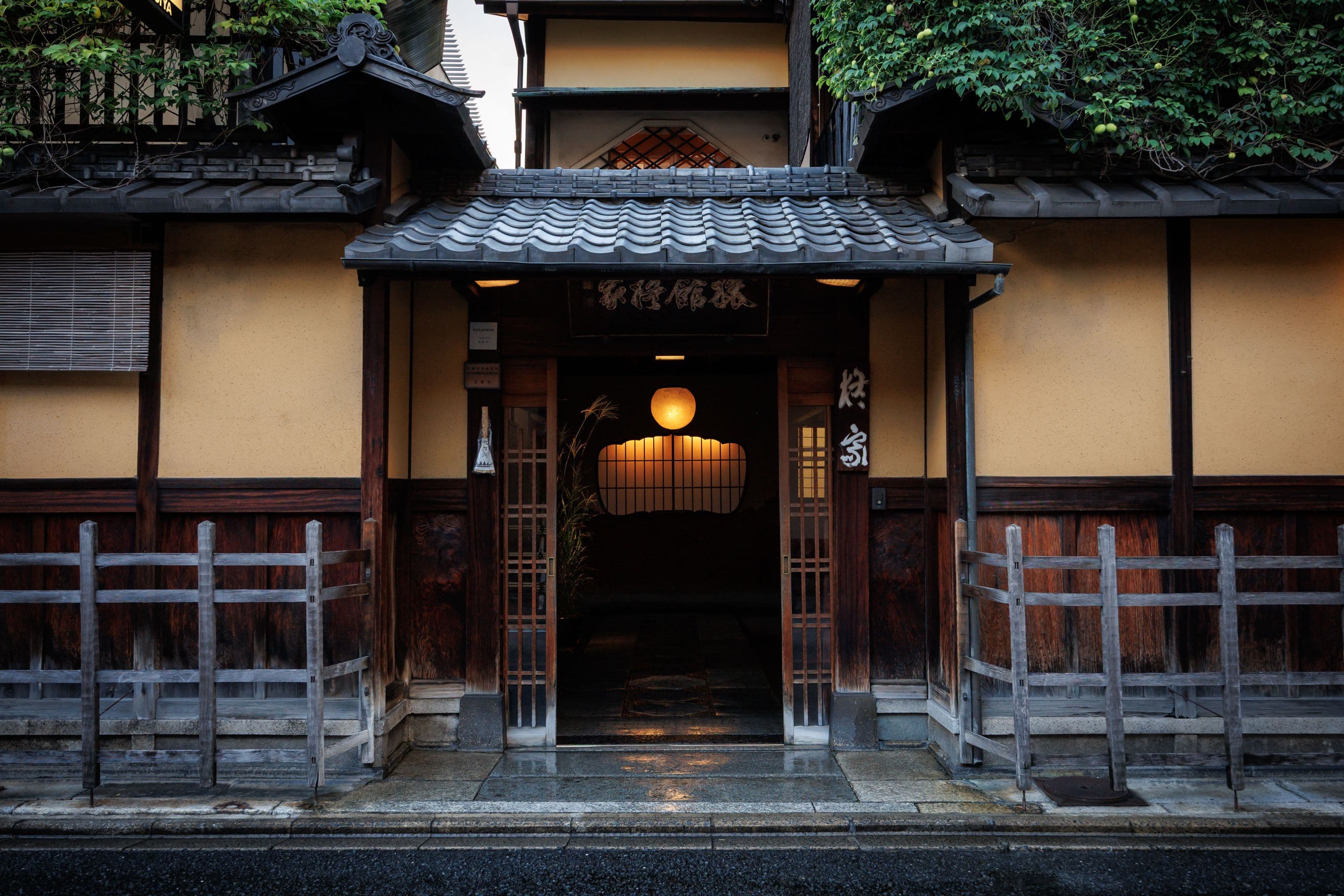
Historic luxury ryokan
Founded in 1818, this distinguished Kyoto ryokan has been family-run for seven generations. Preserving the traditions of Japanese architecture, each guest room is uniquely designed and showcases the craftsmanship of Japanese artisans through its architectural details, works of art, and decorative elements. Long cherished by writers, cultural figures, and loyal guests alike for its tranquil atmosphere and enduring spirit of hospitality.
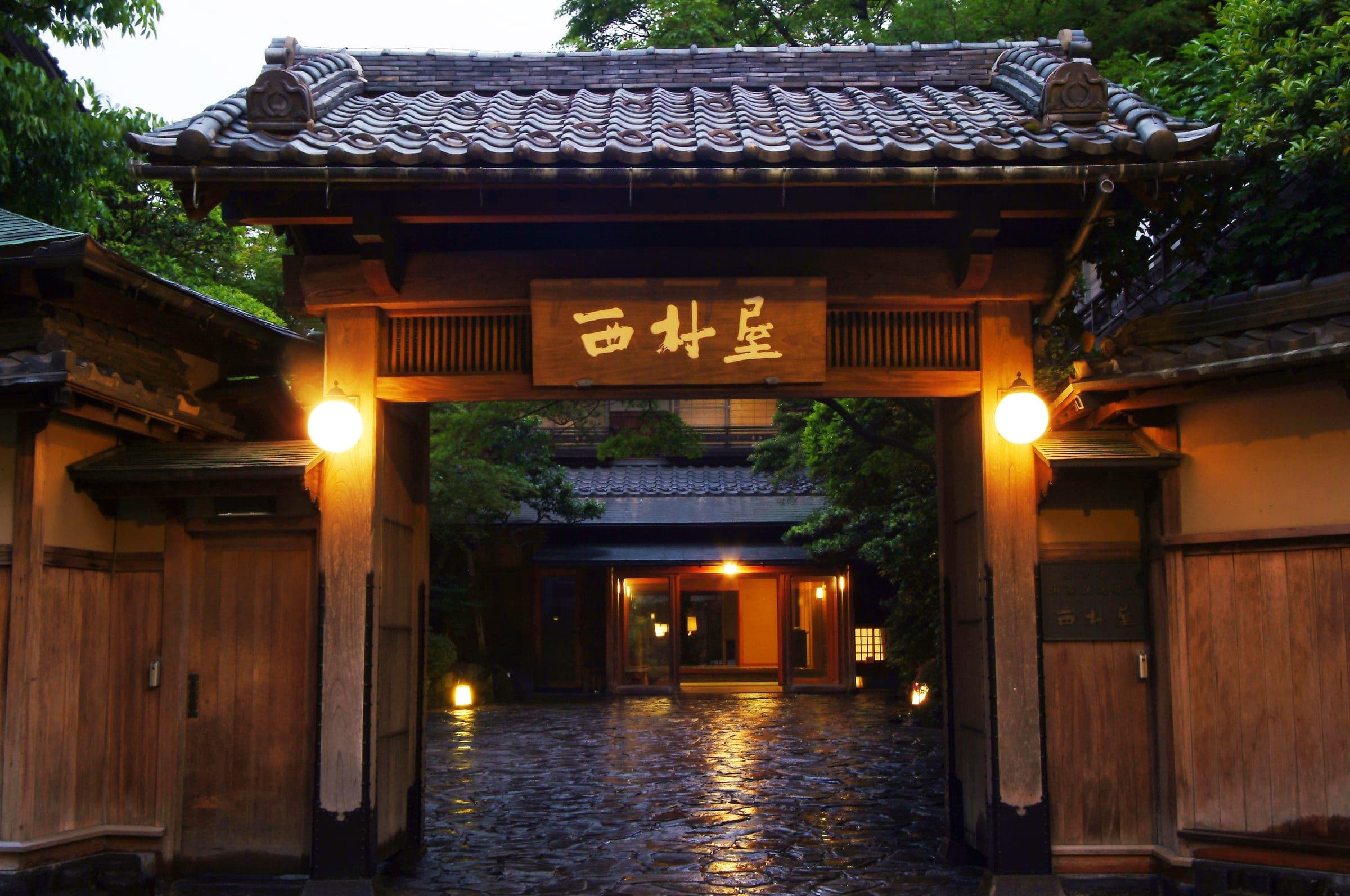
Historic onsen ryokan
Founded in the late-Edo Ansei era (~165 years), a Registered Tangible Cultural Property and Relais & Chateaux member at the heart of Kinosaki's seven public baths; founders served as town mayors.
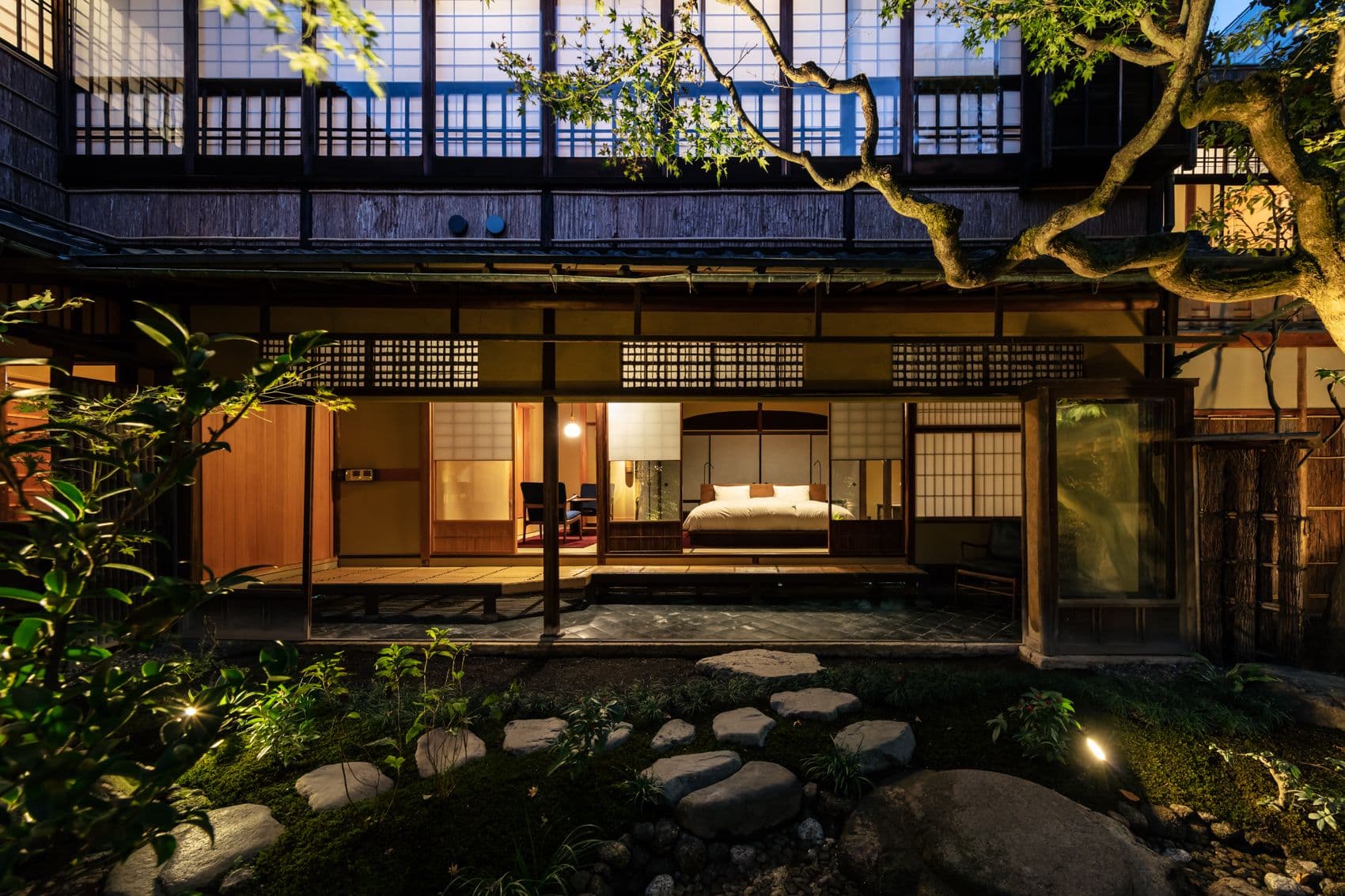
Kyoto machiya inn
A 100-year-old Sukiya building — a former high-end ryotei — sensitively reborn in 2019 as a 23-room small-luxury hotel steps from Yasaka Shrine, pairing tea-house refinement with modern comfort.
- T
Historic luxury ryokan
Kyoto's oldest operating ryokan (c.1704, 300+ years), widely called the finest inn in Japan; its wooden main building is a Registered Tangible Cultural Property. Understated perfection that defines the genre.
- T
Historic onsen ryokan
The oldest ryokan in Arima — Japan's oldest hot spring — traced to 1191 and named 'Gosho' after a visit by shogun Ashikaga Yoshimitsu; its ~90-year-old wooden building is a Registered Tangible Cultural Property.
Hokkaido
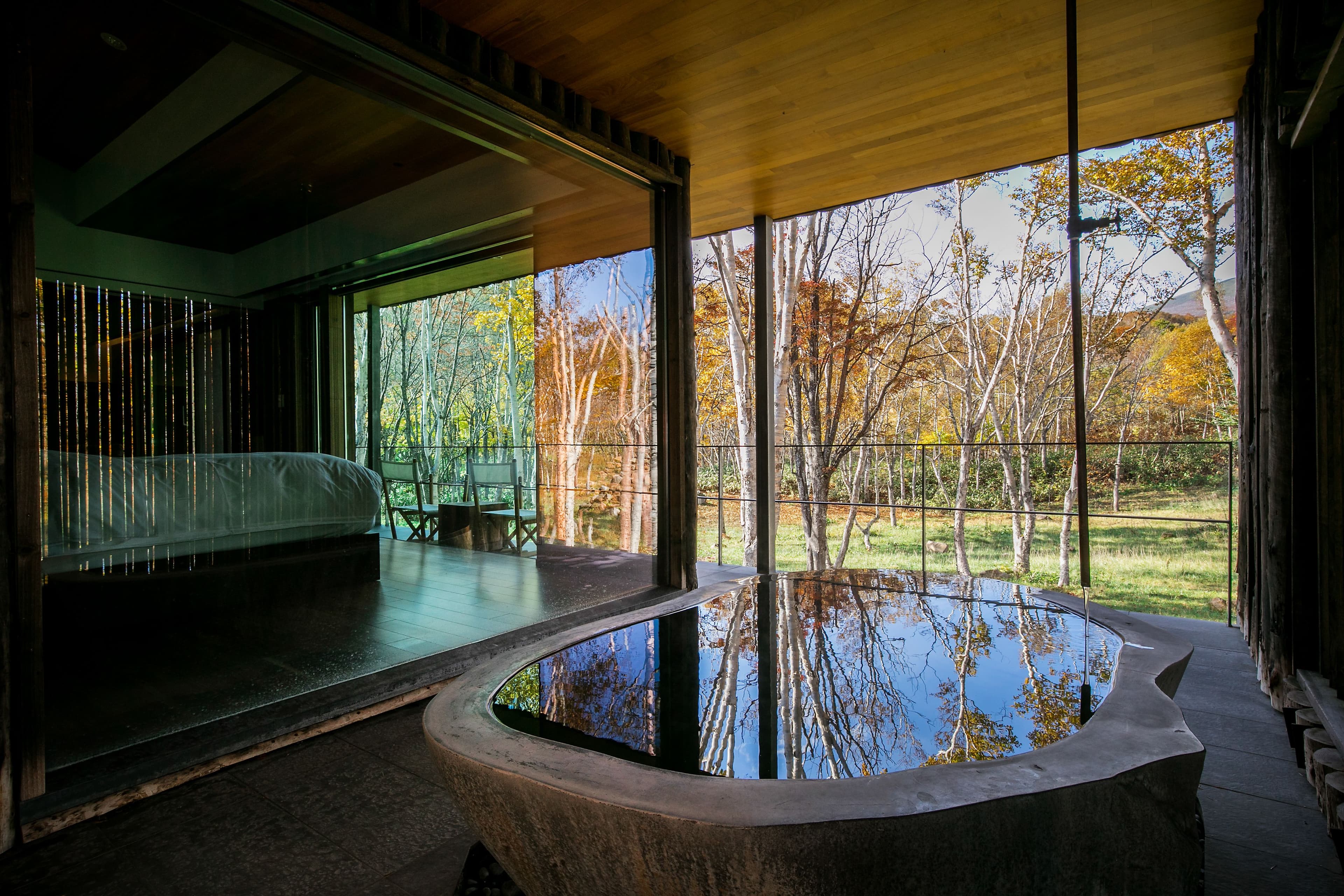
Design ryokan
A contemporary ryokan of 15 standalone villa-suites, each with indoor and open-air baths fed by its own gensen-kakenagashi source that ranks in Japan's top tier; quiet, architectural luxury near Niseko.
- B
Small-luxury ryokan
An adults-only retreat where every suite is 50m2-plus with its own private bath drawing Noboribetsu's sulfur springs, and kaiseki blends Japanese and French technique — a refined, intimate counterpoint to the town's large hot-spring hotels.
- D
Historic onsen ryokan
Founded in 1858 by carpenter Kinzo Takimoto, who built a hut so his ailing wife could bathe in Noboribetsu's waters — it is the oldest inn in the onsen town and effectively created the resort, with a vast variety of spring types drawn from Jigokudani.
Mt. Fuji & Izu
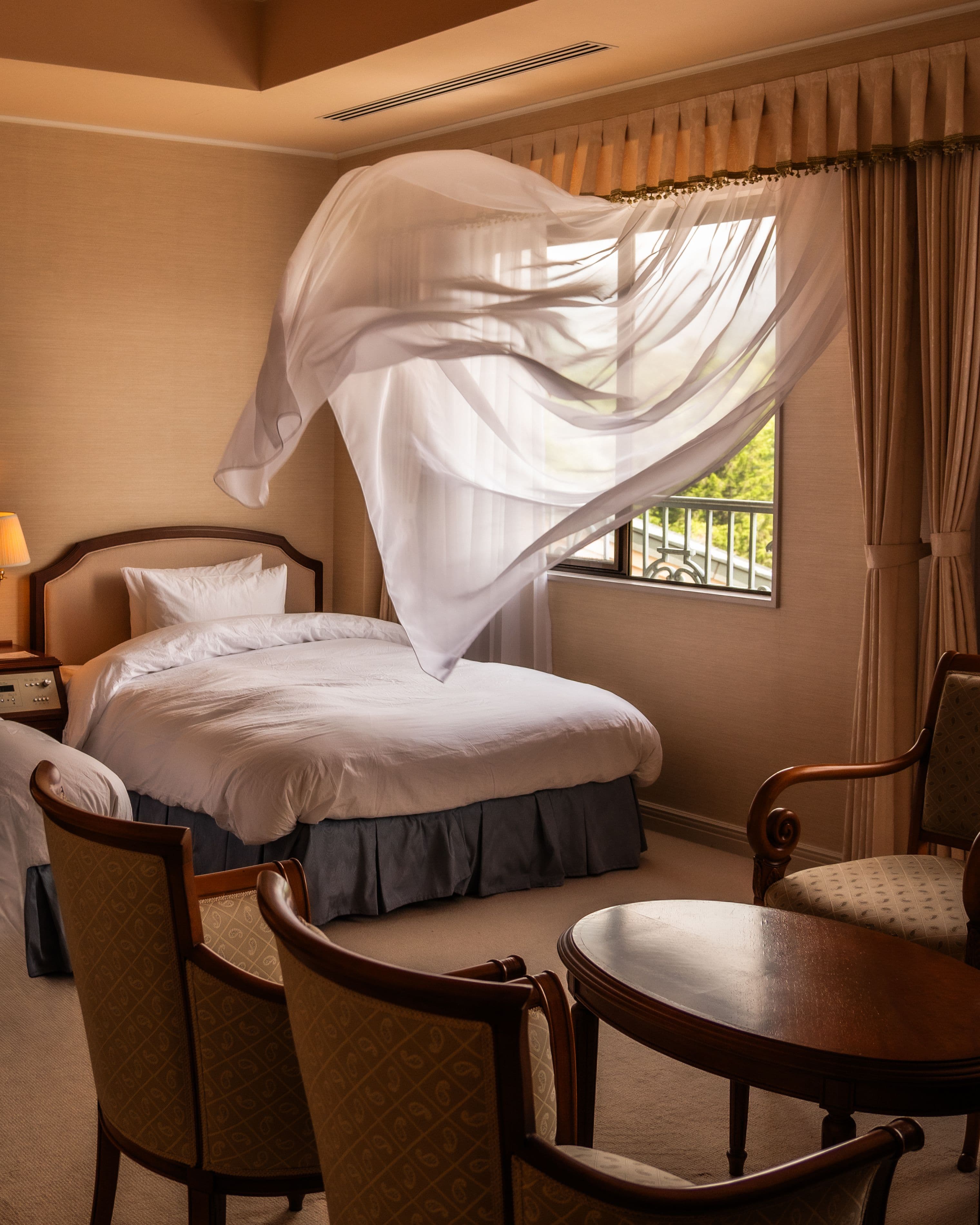
Hotel & sauna retreat
A quiet retreat on the Fujigane highland, high on Mount Fuji's western skirt, where the mountain fills the window from the guest rooms and the panoramic public bath alike. Days close with a Finnish-style sauna and a löyly of aromatic steam, then a dinner built around the season's Yamanashi produce — and, this far from any city glow, a night sky that belongs to the stars. It stands a few steps from the Desmond Muirhead–designed Fuji Classic course: the rare place where the round and the rest share one address.
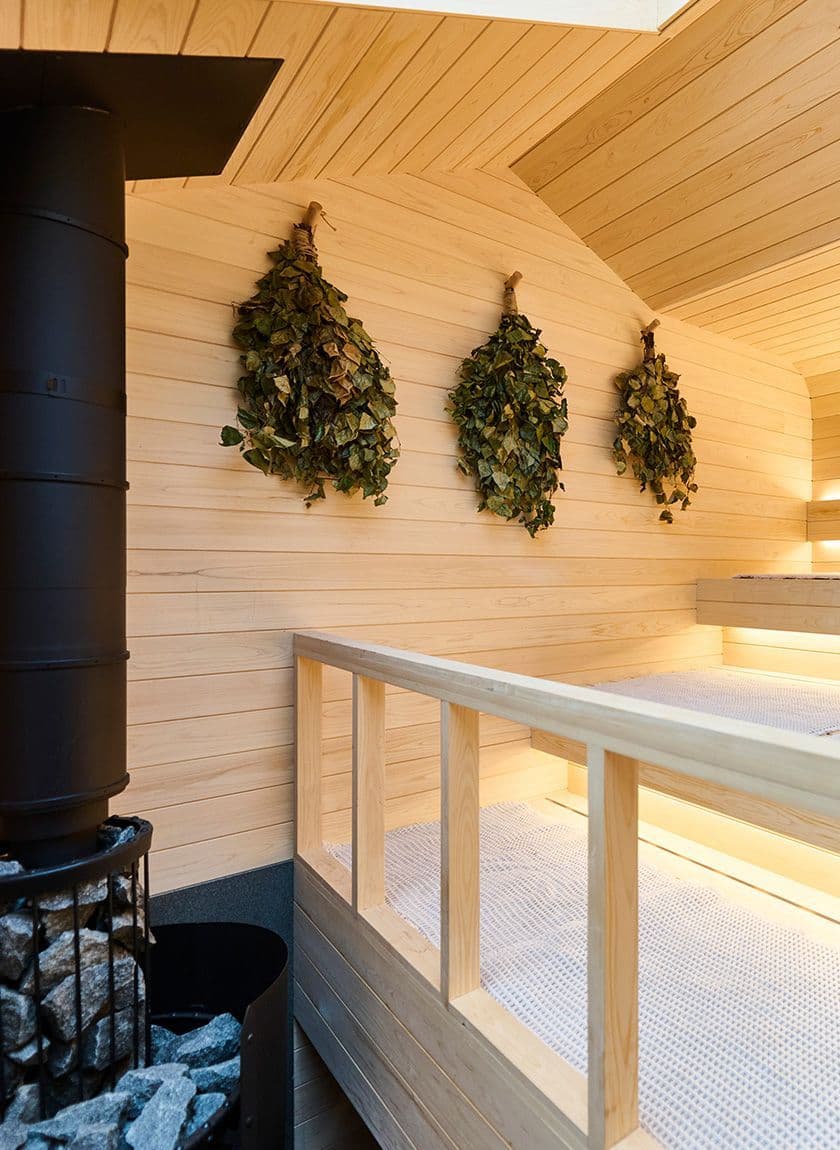
GEN
Fujigane Highland, Mt. FujiPrivate villa & sauna
A single villa, one group a night, set into the Fujigane highland with Mount Fuji framed floor-to-ceiling through its glass walls. GEN is built around the sauna ritual — an authentic wood-fired room, an outdoor cold bath and a hot-spring soak, a fire-pit terrace open to the night — wrapped by a private garden and a dinner of grilled local fare, all of it yours alone. Nothing is shared: the point is to have the mountain, and the silence, entirely to yourself.
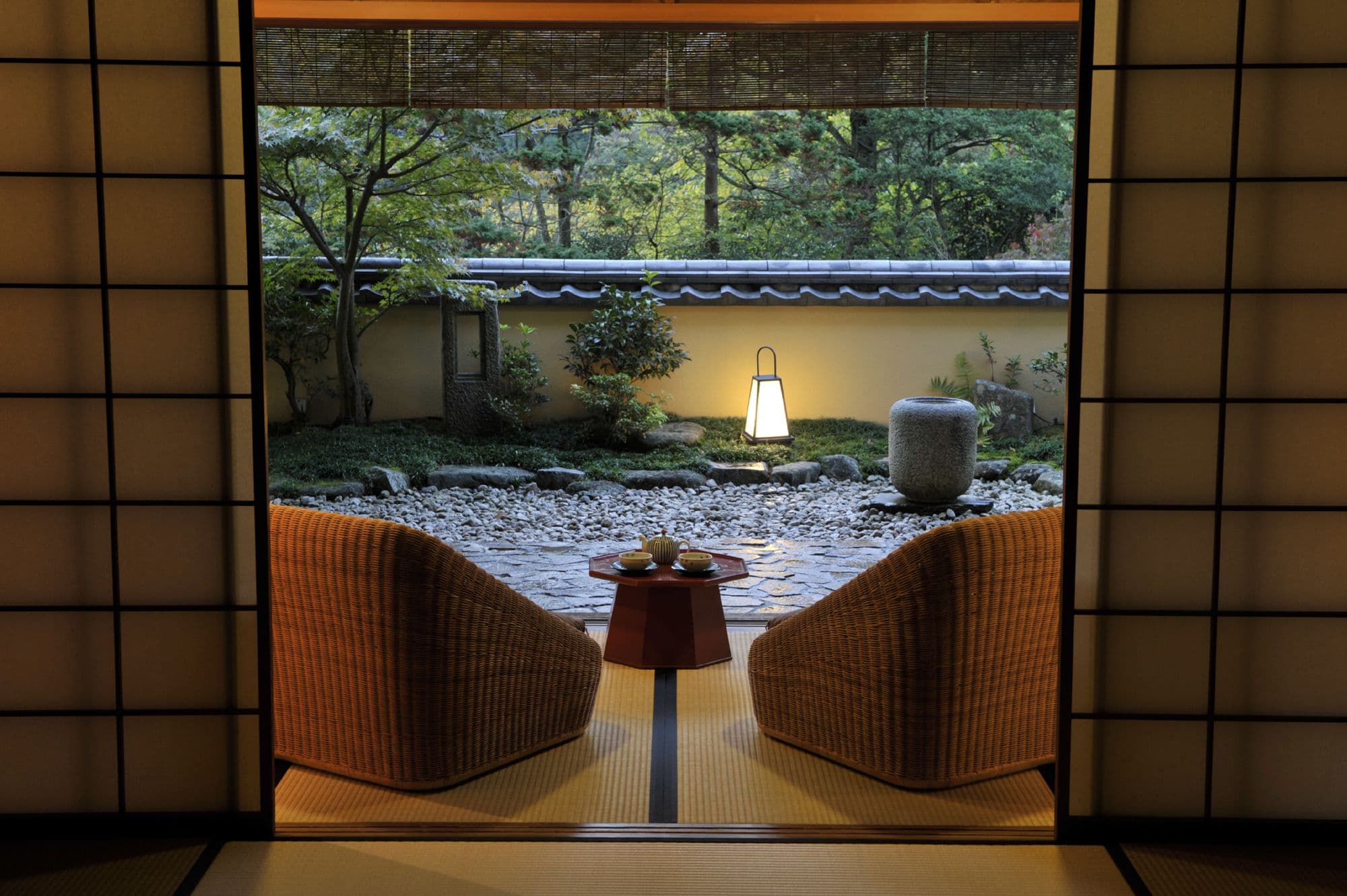
Small-luxury ryokan
Built on the 1930 summer villa of Prince Kan'in and opened as a ryokan in 1948; sukiya architecture, hillside gardens and a polish that rivals Relais & Chateaux. Hakone's benchmark luxury ryokan.
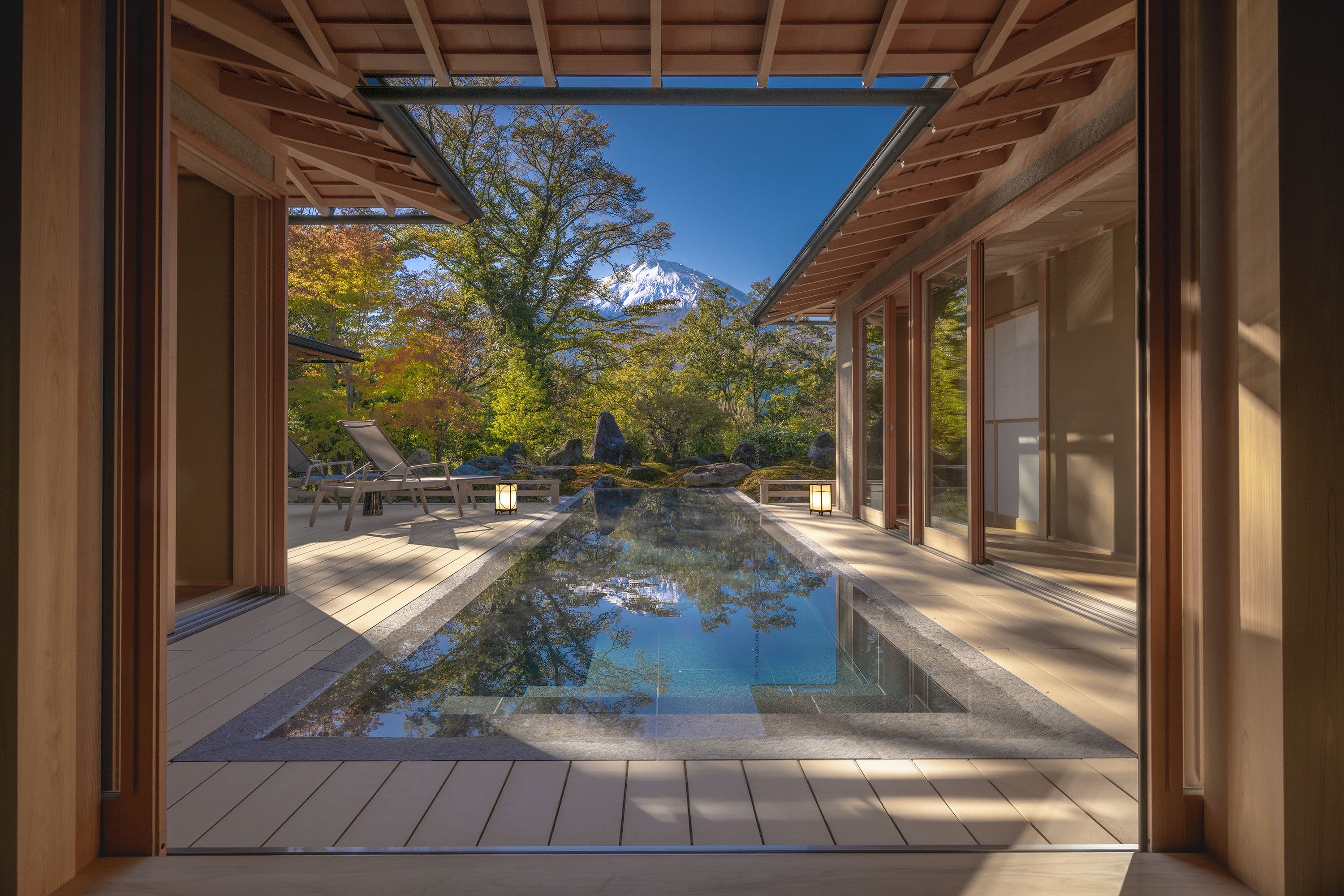
Luxury ryokan & golf resort
Gora Kadan's second act, opened in July 2025 at the Subashiri foot of Mt. Fuji: 42 all-suite rooms with shoin-zukuri-inspired interiors, alkaline 'beauty-bath' waters drawn from 1,500m beneath the mountain, an infinity pool and four restaurants — plus its own 36-hole course, Gora Kadan Fuji Golf, on the grounds.
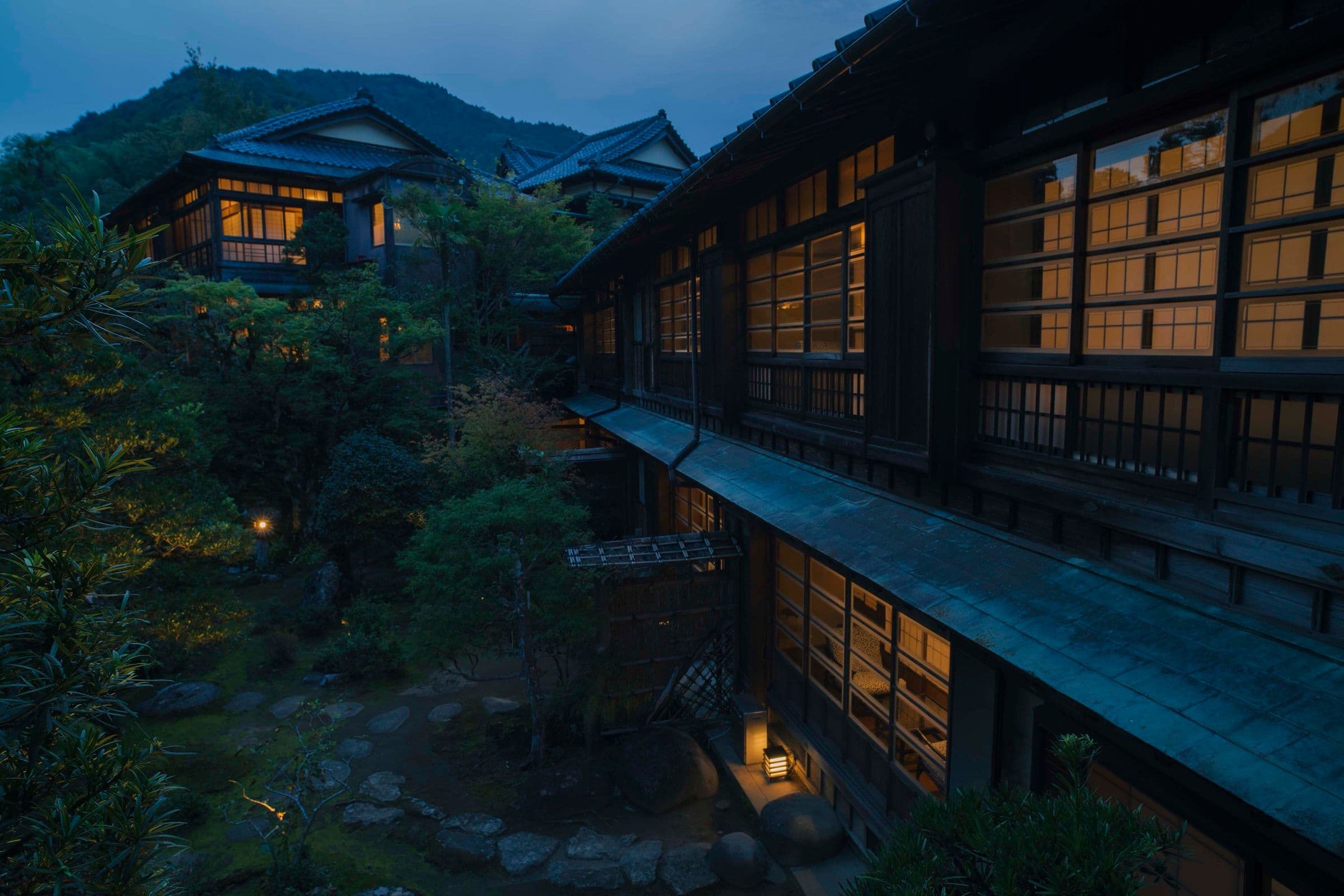
Historic onsen ryokan
Open since 1874 where two Amagi rivers meet (name given by Yamaoka Tesshu); seven buildings are National Registered Tangible Cultural Properties. Beloved by writers Kawabata and Shimazaki Toson, sensitively reborn in 2019.
- A
Design ryokan
A 16-room adults-only auberge along the clear Kano River; all rooms have private open-air spring baths and the kitchen is built around refined French cuisine paired with local produce. Minimalist design dissolving into the forest.
- A
Historic onsen ryokan
Founded over 530 years ago beside Shuzenji temple; its signature Meiji-relocated Noh stage 'Gekkeiden' floats above a 600-tsubo pond. First Japanese inn admitted to Relais & Chateaux, with 16 sukiya rooms.
- A
Historic onsen ryokan
Began as a 1938 villa and opened as an inn in 1948; named after painter Yokoyama Taikan, who made it his regular haunt. Sukiya architecture by Hirata Masaya and a Japanese garden by Tatsui Matsunosuke.
- F
Historic onsen ryokan
Founded 1806, Atami's oldest inn, still family-run after 220 years. Draws 100% unheated, unfiltered water from its own private 'Seizaemon-yu' source, with kaiseki served in-room.
- M
Historic onsen ryokan
Founded 1625; its Meiji main building and Kinsenro wing — a rare fusion of Western architecture and sukiya craftsmanship — are designated National Important Cultural Properties. Hosted Fukuzawa Yukichi and Ito Hirobumi.
- M
Historic onsen ryokan
A Tonosawa healing-spring inn since 1614, named by Japan's first PM Ito Hirobumi. Its towering vermilion Taisho-era wooden building is a National Registered Tangible Cultural Property.
- N
Hidden hot-spring (秘湯)
Founded in 705 CE and run by 53 generations of one family — Guinness-certified world's oldest hotel. Deep in the Southern Alps, entirely fed by gushing own-source water with no heating or dilution.
- S
Small-luxury ryokan
On Kawaguchiko's north shore, every guest room and open-air bath faces Lake Kawaguchi and Mt Fuji head-on, with seasonal kaiseki. The connoisseur's choice for an uninterrupted Fuji view at close range.
Tohoku
- N
Historic onsen ryokan
Founded 1892, the gabled wooden landmark of gaslit Ginzan Onsen, famed for its kote-e plasterwork and Taisho-era atmosphere; a Registered Tangible Cultural Property and the postcard face of the town.
- T
Hidden hot-spring (秘湯)
The oldest and most storied inn of Nyuto Onsen, an Edo-period mountain spa (~350 years) whose thatched 'honjin' lodging, once for the Akita lord's retinue, is a Registered Tangible Cultural Property. Irori dinners and milk-white open-air baths.
Nikko & Kita-Kanto
- A
Historic onsen ryokan
The oldest established inn of Kinugawa Onsen (130+ years), known for its soaring atrium lobby and gorge-side baths — a longstanding name in a hot-spring valley with 300+ years of Edo-era history near Nikko's shrines.
- C
Historic classic resort
Under the Kanaya name (founded 1873, Japan's oldest classic resort hotel lineage), this lakeside Oku-Nikko property pairs Canadian log-house architecture with Yumoto hot-spring water and classic French cuisine in Nikko National Park.
- N
Historic onsen ryokan
Founded 1877 facing Kusatsu's iconic Yubatake, Naraya draws from the historic Shirahata source and is the only inn in town to keep a 'yu-mori' hot-spring master who conditions the water by hand.
Nagano & Karuizawa
- H
Design ryokan
Built on Hoshino's hot-spring grounds first opened in 1914 and adjoining the historic Karuizawa Wild Bird Sanctuary, this is the flagship that launched the Hoshinoya brand — water-village architecture and a deep sense of place in Japan's classic highland resort.
Hokuriku
- K
Small-luxury ryokan
A legendary small-luxury inn of just 10 rooms set on a one-acre wooded estate above Yamanaka, with cuisine on locally made vessels and source-spring baths overlooking the valley; it never advertises and ~70% of guests are returners.
- T
Historic onsen ryokan
Founded in 1885 (Meiji 18) at Wakura Onsen, a historic family inn on the Noto coast where guests bathe and dine looking out over Nanao Bay — centuries of Wakura's saltwater-spring tradition in an intimate, non-corporate setting.
Kyushu
- I
Historic onsen ryokan
A prestigious coastal ryokan among pines and sea, famous for its natural steam sand baths and an Edo-period-style Genroku bath, plus the Satsuma Denshokan museum of regional art on the grounds.
- S
Design ryokan
Twelve guest houses transplanted from century-old Niigata farmhouses and reborn under the concept of 'regeneration of old houses' at the foot of Mt. Yufu — a benchmark of Japanese design-ryokan taste.
- Y
Historic onsen ryokan
The inn whose third-generation owner Tetsuya Goto — called the father of Kurokawa Onsen — carved its famous 30-meter cave bath by hand with hammer and chisel; an atmospheric, old-world ryokan that helped make the whole village a national treasure.
- Y
Small-luxury ryokan
Sixteen independent cottages dotted through a 2.5-acre forest, evolved since 1953 from a Zen priests' sanatorium; one of the inns that defined Yufuin's quiet, intellectual style of hospitality.